Choosing the best pooper scooper sounds trivial until you are hunched over the lawn on a cold January morning in 2026, wrestling with a flimsy tool that bends, jams, or forces you to touch what you least want to touch. The right scooper turns a dreaded daily chore into a thirty-second task, while the wrong one leaves you frustrated, sore, and eyeing the whole thing with resentment. Dog owners across the United States clean up an enormous volume of waste every year, and the tool in your hand decides whether that job is quick or miserable.
This guide breaks down how to choose a pooper scooper that actually works for your yard, your dog, and your back. We will compare the main scooper styles, look at build quality, and share field-tested tips so you can buy once and clean confidently for years rather than replacing a cheap plastic gadget every few months.
How to choose the best pooper scooper in 2026
The best scooper for you depends on three things: the surface you clean, the size of your dog, and how much bending your body tolerates. A tiny terrier on a concrete patio needs a very different tool than a Great Dane on a half-acre of grass. Start by matching the mechanism to your terrain before you ever look at price.
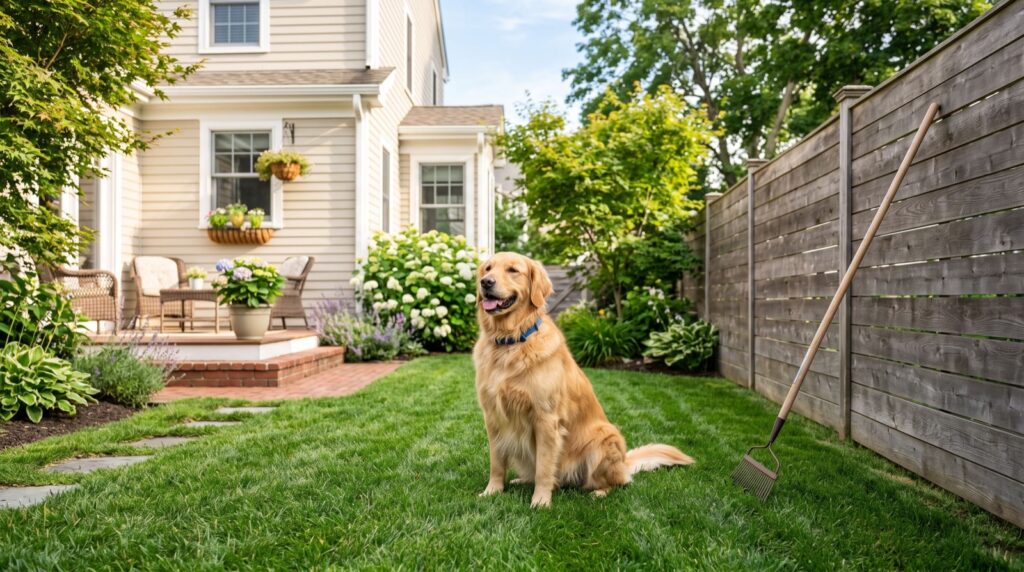
Grass demands a rake-and-tray or a claw design that can lift waste without scooping up a clump of turf. Hard surfaces reward a flat-edged scoop that slides cleanly against pavement. If you own the excellent Arm and Hammer Pooper Scooper, you already know how much easier a well-engineered long handle makes the whole routine, especially for anyone with knee or back trouble.
Why handle length matters more than you think
A long-reach handle keeps you upright, spares your spine, and lets you clean at a comfortable distance from the mess. Short trowel-style scoopers force you to crouch, which is fine once but punishing across a lifetime of daily pickups. If you clean up after multiple dogs, an ergonomic handle pays for itself in saved back pain within a single season.
Comparing the main pooper scooper styles
Each design solves a slightly different problem. Understanding the trade-offs helps you avoid buying the wrong tool for your situation.
| Scooper Type | Best Surface | Effort Level | Cleanup After Use | Ideal For |
|---|---|---|---|---|
| Rake & tray | Grass, gravel | Low | Rinse tray | Large yards |
| Jaw / claw | Any surface | Very low | Minimal | Mixed terrain |
| Flat scoop & pan | Concrete, patio | Medium | Wipe edge | Small hard yards |
| Bag-attached scoop | Walks, parks | Low | Bag & toss | On-the-go owners |
Build quality: what separates a keeper from junk
Cheap scoopers fail at the joints and the leading edge. Look for a metal or reinforced-polymer scooping edge that stays rigid under pressure, because a warped edge smears rather than lifts. Rust-resistant coatings matter if your tool lives outdoors through rain and snow.
Spring mechanisms on jaw-style scoopers are the usual point of failure, so a stainless spring beats a coated-steel one that corrodes. Test the closing action before you commit; it should snap shut firmly and reopen without sticking.
- Edge material: aluminum or hardened polymer resists bending.
- Spring quality: stainless steel outlasts cheaper coated springs.
- Grip: a cushioned, non-slip handle prevents hand fatigue.
- Reach: 36 inches or more keeps you standing tall.
Pairing your scooper with the right disposal
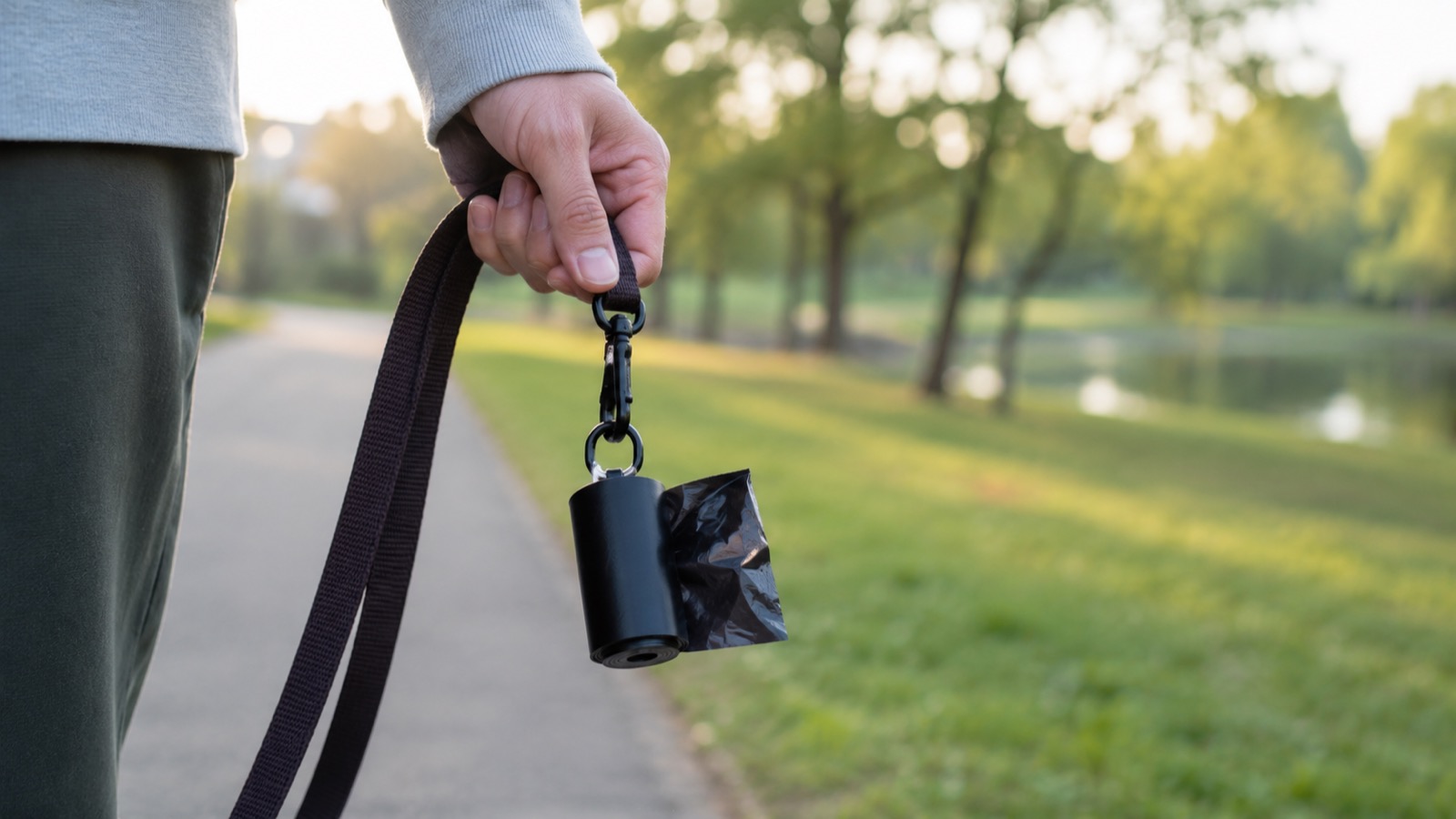
A great scooper is only half the system. You still need a reliable way to bag and haul waste to the bin, and thin grocery-store bags tear at exactly the wrong moment. Sturdy, leak-resistant sacks keep the process clean from lawn to trash can.
Many owners pair their scooper with heavy duty garbage bags so a full week of pickups goes out in one secure, odor-controlled load. The combination of a solid scooper and tough bags is what makes yard cleanup feel effortless rather than gross.
A simple buying checklist
Before you spend a dollar, run through a quick mental checklist so you buy the right tool the first time and never end up with a drawer of failed gadgets.
- Identify your dominant surface, whether grass, gravel, concrete, or a mix.
- Match the mechanism, choosing a rake, jaw, or flat scoop for that surface.
- Confirm a handle of 36 inches or more so you can stand upright.
- Check that the scooping edge is metal or reinforced polymer, not thin plastic.
- Pair it with tough, leak-proof bags before your first cleanup.
A field tip for stubborn winter cleanup
In freezing weather, waste can bond to the grass. Wait until the coldest part of the morning when it is frozen solid, then a rake-and-tray lifts it cleanly without the smear you get on a warm afternoon. This single timing trick saves an astonishing amount of scrubbing, and it works on almost any surface once the temperature drops below freezing.
Frequently Asked Questions
What is the best type of pooper scooper for a large yard?
A long-handled rake-and-tray set is usually best for large grassy yards because it lets you clean a wide sweep while standing upright and separates waste from the turf. For mixed surfaces, a jaw-style scooper offers more versatility.
Are metal pooper scoopers better than plastic?
Metal scooping edges hold their shape and resist bending far better than plastic, so they last longer and lift more cleanly. Plastic is lighter and cheaper but tends to warp or crack under repeated use, especially in cold weather.
How do I keep my pooper scooper clean and odor-free?
Rinse the scooping surface after each session and periodically disinfect it with a pet-safe cleaner or a diluted vinegar solution. Storing it in a shaded, ventilated spot rather than a sealed bin also keeps odor and bacteria under control.
Why is picking up dog waste important?
Dog waste can carry parasites and bacteria that harm people, pets, and waterways. The U.S. Environmental Protection Agency notes that pet waste is a recognized source of nutrient and bacterial pollution in runoff, so prompt, consistent cleanup protects both your family and your neighborhood.
Clean smarter with dependable gear and specialists
The best pooper scooper is the one that matches your surface, spares your back, and lasts for years, and it works even better when paired with tough bags and a smart routine. Do not settle for a bargain-bin tool that fails after a month. If you want gear recommendations and setups sourced from dependable specialists, invest in a quality scooper and heavy-duty bags now and turn yard cleanup into the fastest chore of your day. Your back, your nose, and your lawn will thank you for it.