
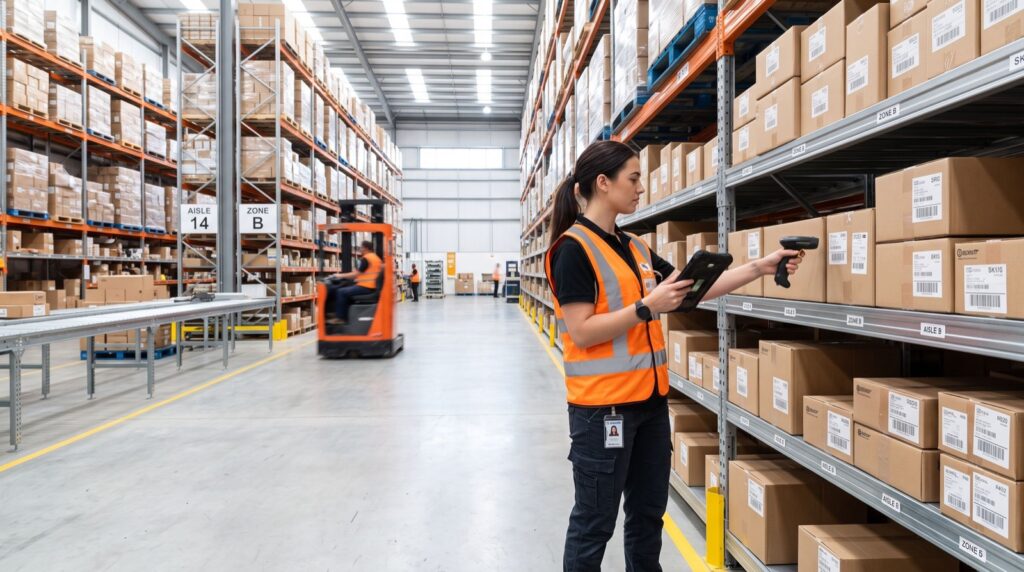
Chilled Storage in Dammam: The 2026 Cold-Chain Guide for Businesses
Dammam sits at the heart of the Eastern Province, where summer temperatures routinely push past 45°C. For any business handling perishable goods, pharmaceuticals, or temperature-sensitive materials, reliable chilled storage in Dammam is not a luxury — it is the backbone of a working supply chain. Break the cold chain for even an hour and product value can evaporate.
This guide explains how chilled storage works, who needs it, and how to choose a facility that keeps stock safe from the loading dock to final delivery. Whether you run a restaurant group, a distribution business, or an importer, the fundamentals below will help you make a confident decision in 2026.
What Is Chilled Storage and Who Needs It?
Chilled storage holds goods at a controlled temperature range, typically between 0°C and 8°C, without freezing them. It preserves freshness, slows bacterial growth, and keeps products within regulatory limits. Freezing would damage many of these items, so precise, steady cooling is the goal.
Businesses that depend on chilled storage include:
- Food distributors handling dairy, produce, meat, and beverages
- Pharmacies and clinics storing vaccines and temperature-sensitive medicines
- Restaurants and catering operations managing bulk ingredients
- Floral and horticultural importers protecting delicate stock
- Cosmetic and specialty chemical suppliers with heat-sensitive formulas
For companies in the Eastern Province, professional Chilled Storage in Dammam bridges the gap between import, warehousing, and last-mile delivery without exposing goods to the region’s punishing heat.
Why Temperature Control Is Critical in 2026
Food safety regulations continue to tighten worldwide, and Saudi Arabia is no exception. Keeping perishables inside the correct temperature band is both a legal and a commercial necessity. The U.S. Food and Drug Administration notes that the “danger zone” for bacterial growth sits between 4°C and 60°C, which is why chilled goods must stay at or below 4°C to remain safe. You can review the FDA’s cold-chain and food-safety guidance on the official FDA food safety portal.
Beyond compliance, temperature control protects your bottom line. Spoiled inventory means direct losses, wasted shipping costs, and potential damage to customer trust. A single failed shipment can cost more than a year of professional storage fees.
How cold is cold enough?
The right setpoint depends on the product. The reference table below shows common chilled ranges used across industries.
| Product category | Typical temperature range | Key risk if breached |
|---|---|---|
| Fresh produce | 2°C – 8°C | Wilting, rapid decay |
| Dairy products | 1°C – 4°C | Souring, bacterial growth |
| Fresh meat and poultry | 0°C – 2°C | Pathogen growth, spoilage |
| Vaccines and medicines | 2°C – 8°C | Loss of potency, safety recall |
| Beverages and condiments | 4°C – 8°C | Quality and shelf-life loss |
What to Look for in a Chilled Storage Facility
Not all cold storage is created equal. When evaluating providers in Dammam, run through this checklist before signing anything.
- Continuous monitoring: 24/7 temperature logging with alerts for any deviation.
- Backup power: generators that kick in instantly during outages.
- Zoned compartments: separate ranges so dairy, produce, and pharma coexist safely.
- Hygiene standards: documented cleaning schedules and pest control.
- Fast throughput: loading bays that minimise door-open time and heat ingress.
- Transparent records: audit-ready data you can show regulators and clients.
Choosing trusted professionals who run these systems daily removes the guesswork. You inherit mature monitoring, trained staff, and compliance processes that would take years to build internally.
Beyond Perishables: Protecting Industrial and Spare Parts Stock
Chilled and controlled storage is not only about food. Many industrial components, rubber seals, lubricants, and electronic parts degrade in extreme heat. Keeping them in a stable environment extends shelf life and prevents costly failures in the field.
Manufacturers and maintenance teams increasingly use dedicated Storage for Spare Parts to keep critical components ready and in warranty-grade condition. A gasket that cracks from heat exposure is as useless as spoiled milk — and often far more expensive to replace mid-operation.
Why spare parts belong in controlled storage
Heat accelerates oxidation of metals and breakdown of polymers. Store sensitive parts in a stable, moderate environment and you protect both their physical integrity and their resale or warranty value. For businesses with expensive machinery, this discipline prevents unplanned downtime.
Managing Cold-Chain Logistics End to End
Storage is one link in a longer chain. The goods still have to arrive and leave without a temperature spike. Insist on refrigerated transport, pre-cooled vehicles, and tight scheduling so products never sit on a hot dock. Document every handoff so you can trace exactly where a breach occurred if one ever does.
In 2026, data loggers and IoT sensors make this traceability affordable even for smaller operators. Real-time dashboards let you spot a warming trend before it becomes a loss, turning reactive firefighting into proactive control.
Energy Efficiency and Sustainability in Cold Storage
Chilled facilities are energy-hungry, so efficiency matters for both cost and carbon. Modern operators in 2026 use high-performance insulation, LED lighting, and variable-speed compressors to hold temperatures with less power. Rapid-close doors and air curtains cut the warm-air ingress that forces systems to work harder.
These upgrades protect your goods and your budget at once. A well-insulated facility recovers temperature faster after a door opens, keeping products safely in range even during busy loading periods. Ask any prospective provider how they manage energy and resilience — the answer reveals how seriously they take the cold chain.
Frequently Asked Questions
What temperature does chilled storage maintain?
Most chilled storage operates between 0°C and 8°C depending on the product. Meat sits at the colder end, while beverages and condiments tolerate the warmer end. The goal is to keep goods cold without freezing them.
How is chilled storage different from frozen storage?
Chilled storage keeps goods cold but unfrozen, typically 0°C to 8°C, preserving texture and freshness. Frozen storage holds items at or below -18°C for long-term preservation. Freezing would ruin many chilled products, so the two serve different needs.
Is chilled storage in Dammam worth the cost?
For perishable or temperature-sensitive goods, absolutely. The cost of professional storage is small compared with the losses from spoiled inventory, failed compliance, or damaged customer relationships in Dammam’s extreme climate.
Can one facility store both food and spare parts?
Yes, provided it offers zoned, compartmentalised areas with independent temperature controls and strict separation to avoid cross-contamination. Reputable operators design their facilities for exactly this flexibility.
Conclusion
In a city as hot as Dammam, your supply chain is only as strong as its coldest link. Dependable chilled storage in Dammam protects perishables, medicines, and sensitive industrial stock from the heat that would otherwise destroy them. Prioritise continuous monitoring, backup power, and audit-ready records, then extend the same discipline to spare parts and logistics. Get the cold chain right in 2026 and you safeguard product quality, regulatory standing, and customer confidence in one move.