Nobody wakes up hoping to spend their morning standing in a line. Yet across banks, hospitals, telecom offices, and government service centres, the humble queue remains one of the most common — and most resented — parts of daily life. The frustrating part is not always the wait itself but the uncertainty of it: not knowing how long, not knowing if you are even in the right line, and watching others who arrived later somehow get served first.
Over the last few years, a quiet revolution has been reshaping how organisations handle that crush of people. Instead of ropes, shoving, and a first-come-first-served scramble, more institutions are adopting structured systems that turn chaos into an orderly, predictable flow. This article looks at how modern queue management actually works, why the psychology of waiting matters as much as the maths, and how the same thinking now stretches all the way to the restaurant lane.
Why Waiting Feels Worse Than It Is
Researchers who study lines have found something counterintuitive: people overestimate how long they waited by a wide margin, and unexplained waits feel far longer than explained ones. A ten-minute wait with a visible ticket number and a clear counter display can feel shorter than a five-minute wait spent anxiously guessing whether you have been forgotten.
That is why the best solutions attack perception as much as duration. Give someone a ticket, show them their place in line, and let them sit rather than stand, and their frustration drops sharply even before the actual wait shortens. Managing the experience of waiting is half the battle, and organisations that grasp this win loyalty that pure speed alone cannot buy.
How a Modern Queue System Works
The mechanics are elegantly simple from the customer’s side. You arrive, take a ticket from a kiosk or your phone, and pick the service you need. The system assigns you a number, estimates your wait, and calls you to a specific counter when your turn comes, usually with a display and an audio announcement so nobody has to hover anxiously.
Behind the scenes, the platform is routing people intelligently — sending simple requests to fast counters, complex ones to specialists, and balancing the load so no single staff member drowns while another sits idle. A well-designed queue management system converts a disorderly mob into a series of calm, numbered turns that feel fair to everyone involved.
The Sectors That Benefit Most
Banks were early adopters because their traffic mixes quick transactions with lengthy account matters, and letting those two collide in one line frustrates everyone. Hospitals followed, using structured flow to separate registration, consultation, and pharmacy so a sick patient is not left standing without direction.
Telecom customer-care centres, passport and licensing offices, and busy retail service desks have all seen the same payoff. Anywhere demand arrives in unpredictable bursts and different visitors need different things, a routing system smooths the peaks and gives staff a manageable rhythm instead of a relentless scrum.
The Data Hiding Inside Every Line
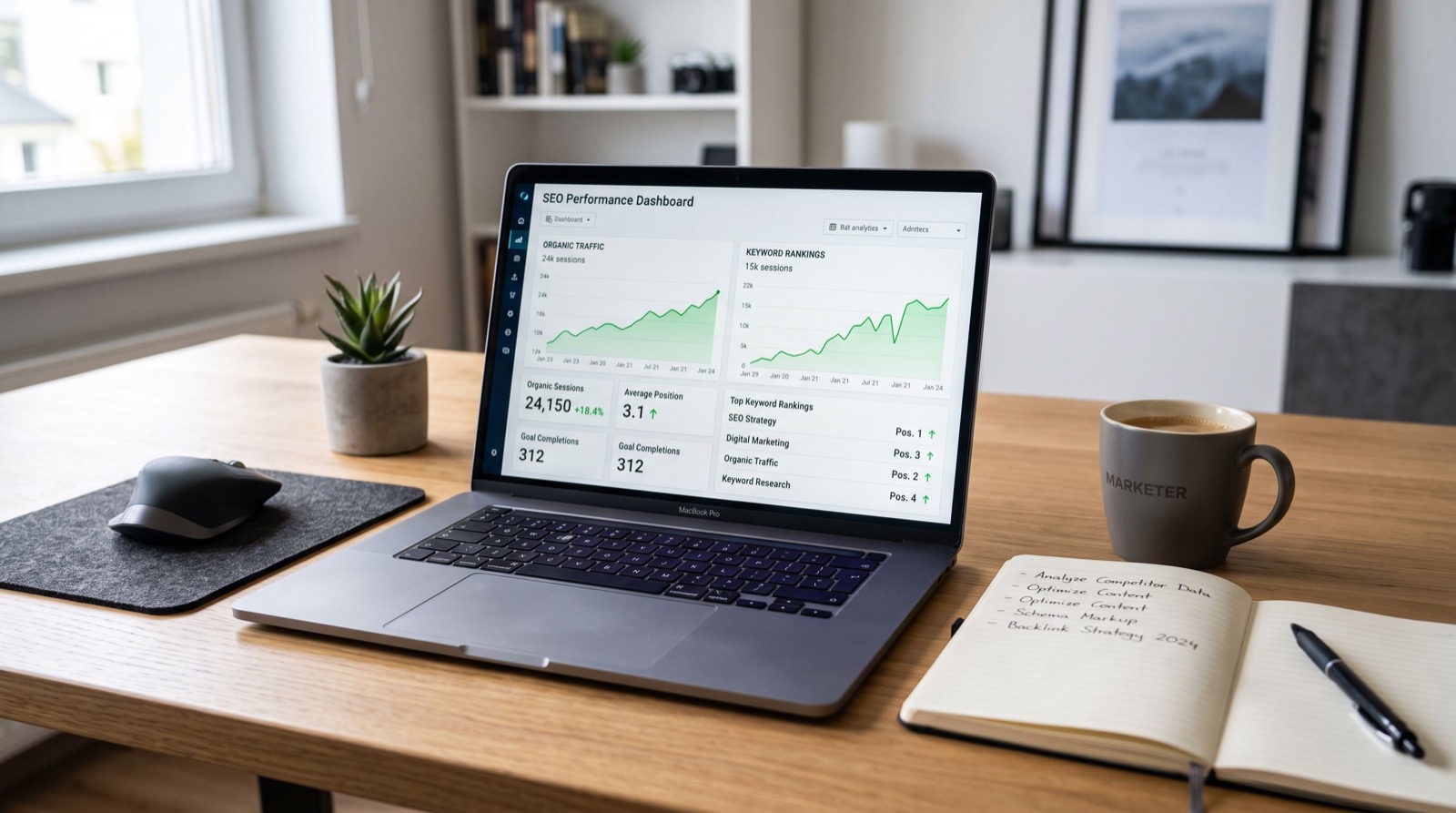
A queue platform is also a measurement engine. It records how many people arrive each hour, how long each service type takes, which counters run fast, and when the daily rush actually peaks. That information, invisible in a manual line, becomes a management dashboard.
With it, a branch manager can schedule extra staff precisely for the Monday-morning surge, retrain a counter that consistently lags, and prove to head office where the real bottlenecks are. Decisions that once rested on gut feeling become grounded in numbers, and service quality improves because leaders can finally see what is happening.
When the Queue Moves Outdoors
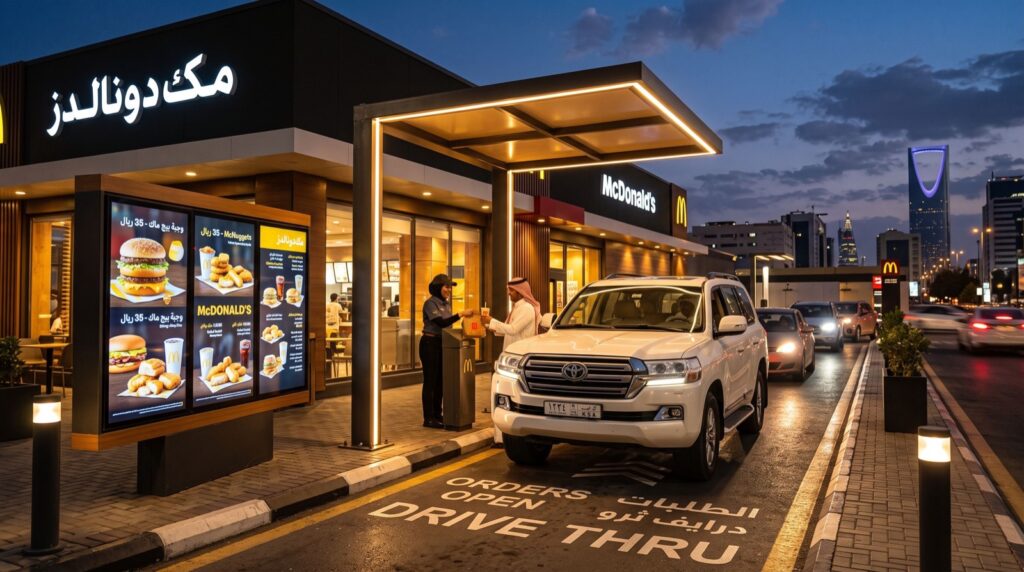
The same logic that tames an indoor line applies the moment customers stay in their cars. A restaurant or pharmacy lane is simply a queue on wheels, and the tools for managing it share the same DNA: detect arrivals, sequence them fairly, measure each stage, and keep the flow moving so nobody stalls onto the road.
This is why a well-planned Drive Thru System in pakistan borrows so heavily from indoor queue thinking. The vehicle takes the place of the person, the speaker post replaces the ticket kiosk, and timing sensors do the counting, but the underlying goal — turn a crowd into an orderly, predictable sequence — is identical.
Choosing the Right Setup for Your Space
Not every organisation needs the same system. A small clinic with two counters wants something lightweight, while a flagship bank branch handling hundreds of daily visitors needs multi-service routing, appointment integration, and detailed reporting. Overbuying wastes money; underbuying frustrates everyone within a month.
The smart approach is to map your real traffic first — how many people, needing what, arriving when — and match the tools to that reality. Working with genuinely quality service providers during that assessment stage prevents the expensive mistake of installing a system that either drowns in demand or gathers dust.
Common Pitfalls to Avoid
The biggest error is treating the technology as a magic fix while ignoring staffing and layout. A brilliant ticketing system cannot rescue a branch that is simply understaffed at peak hours; it will only display, in precise numbers, exactly how long everyone is stuck. The system reveals the problem — solving it still takes people.
Another frequent misstep is neglecting the customer-facing side: hiding the display where nobody can see it, or making the kiosk confusing so visitors take the wrong ticket. The whole point is to reduce anxiety, so anything that adds confusion quietly undoes the benefit you paid for.
Key Takeaways
- Uncertainty makes waiting feel worse, so managing perception matters as much as speed.
- Modern systems issue tickets, estimate waits, and route people to the right counter.
- Banks, hospitals, telecom, and government offices gain the most from structured flow.
- Every queue platform doubles as a data engine for smarter staffing decisions.
- Drive-thru lanes are simply queues on wheels and use the same core logic.
- Match the system to real traffic, and remember technology cannot replace enough staff.
Turning a Line Into a Better Experience
The organisations that handle crowds gracefully are rarely the ones with the fewest customers — they are the ones that took waiting seriously and engineered it out of sight. By giving people certainty, routing them intelligently, and reading the data their lines generate, a bank or hospital can transform its most dreaded touchpoint into a quietly impressive one. Whether the crowd stands inside a branch or idles in a lane outside, the principle endures: respect people’s time, make the wait feel fair, and the goodwill you earn will outlast any single transaction.